

Views: 0 Author: Site Editor Publish Time: 2026-01-26 Origin: Site


Stainless steel mirror cabinets are a popular choice for modern bathrooms due to their sleek appearance, durability, and functionality. These cabinets combine the practicality of storage with the reflective surface of a mirror, making them an essential component of many bathroom designs. One of the key features that make stainless steel mirror cabinets particularly appealing is their rust resistance. Bathrooms are typically high-moisture environments, and constant exposure to water, steam, and humidity can cause certain materials to deteriorate over time. Rust resistance in bathroom furniture is crucial, as it ensures the longevity and aesthetic appeal of the cabinet, preventing corrosion that could damage both the cabinet and the bathroom environment. Stainless steel's ability to withstand these conditions makes it an excellent choice for bathrooms, offering both style and durability in areas prone to moisture.
Stainless steel is a versatile and durable metal alloy primarily composed of iron, carbon, and a significant amount of chromium. Typically, it also contains small amounts of other metals like nickel and molybdenum. The addition of chromium, usually around 10-12%, gives stainless steel its distinctive corrosion-resistant properties. The metal undergoes a process known as passivation, where the chromium reacts with oxygen in the air to form a thin, protective oxide layer on the surface. This layer acts as a barrier, preventing further corrosion and rust formation, which makes stainless steel an excellent material for use in moisture-prone environments like bathrooms.
The primary feature of stainless steel that ensures its rust resistance is the presence of chromium. Chromium reacts with oxygen to form a stable oxide layer, known as the "passive layer," which protects the steel from moisture and environmental factors that would typically cause rusting. This passive layer is self-healing, meaning if it gets damaged, it can naturally regenerate, maintaining its protective properties. Additionally, stainless steel is also resistant to staining, tarnishing, and pitting, which further enhances its suitability for bathroom environments where water exposure is frequent.
The primary factor contributing to stainless steel's rust resistance is its chromium content. When exposed to oxygen, chromium forms a self-healing oxide layer that adheres tightly to the surface, effectively preventing water, moisture, and air from reaching the underlying iron. This oxide layer protects the metal from the process of oxidation, which would otherwise cause rust. Stainless steel's resistance to rust, therefore, comes from this protective layer, which is not only highly durable but can also regenerate if scratched or damaged.
However, it's important to note that while stainless steel is highly rust-resistant, it is not entirely rust-proof. In the context of bathroom furniture, "rust-resistant" means that the material is highly resistant to rust formation but not immune to it. Prolonged exposure to harsh conditions, such as extreme humidity, saltwater, or aggressive cleaning chemicals, can still compromise the protective layer over time. On the other hand, rust-proof would imply a material that cannot rust under any circumstances, which does not apply to stainless steel.
Bathrooms are naturally exposed to high levels of moisture and humidity, which can quickly damage many materials. Stainless steel is particularly well-suited for these environments due to its excellent corrosion resistance. The chromium content in stainless steel forms a protective oxide layer that shields the material from rust and corrosion, even when constantly exposed to steam, water splashes, and high humidity. This makes stainless steel mirror cabinets a reliable choice for bathrooms, where other materials such as wood or plastic might degrade over time due to moisture-related issues.
Stainless steel mirror cabinets not only provide superior corrosion resistance but also offer long-lasting durability. Unlike wood, which may warp or degrade over time, or plastic, which can discolor and crack, stainless steel retains its integrity and appearance for years. The material is resistant to staining, tarnishing, and pitting, making it low-maintenance and ideal for a bathroom setting.
From an aesthetic standpoint, stainless steel offers a sleek, modern, and polished look that complements various bathroom styles, from contemporary and minimalist designs to more industrial-themed spaces. Its neutral metallic finish can seamlessly blend with other bathroom fixtures, creating a clean and cohesive appearance. Furthermore, stainless steel's durability means that the cabinet will continue to look fresh and modern for years, even in the face of constant exposure to moisture and frequent cleaning.
While stainless steel is highly resistant to rust, extreme and prolonged exposure to high humidity, especially in poorly ventilated spaces, can still affect its longevity. In bathrooms with excessive moisture or areas where water sits on the surface for extended periods (such as around showerheads or sinks), the protective chromium oxide layer can gradually break down. This may lead to localized corrosion, particularly in areas with poor ventilation or when water droplets are left to dry on the surface without proper cleaning.
Proper maintenance is crucial to preserving the rust-resistant properties of stainless steel. If not cleaned regularly, soap scum, hard water deposits, and other residues can build up on the surface, potentially damaging the protective layer. Using harsh, abrasive cleaning tools or chemicals (such as bleach or steel wool) can scratch or wear away the surface, compromising the oxide layer and making the stainless steel more susceptible to corrosion. For best results, it is recommended to clean stainless steel mirror cabinets with a soft cloth and mild detergent, avoiding abrasive cleaners or scrubbers.
Not all stainless steel is created equal. The grade of stainless steel plays a significant role in its resistance to rust. Higher-quality grades, such as 304 or 316 stainless steel, contain higher amounts of chromium and nickel, offering superior corrosion resistance, especially in high-moisture environments like bathrooms. 316 stainless steel is particularly resistant to corrosion caused by saltwater or harsh chemicals and is often used in coastal areas or environments with high humidity. Lower-grade stainless steel may be more prone to corrosion over time, especially if exposed to extreme environmental factors or insufficient maintenance.
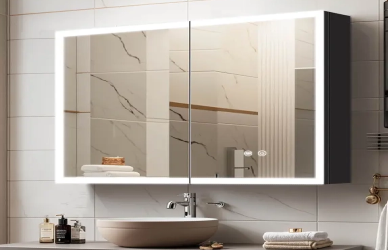
While stainless steel is known for its rust resistance and durability, alternatives like aluminum and plastic can also be suitable depending on your needs. Here's a comparison of these materials in terms of rust resistance, durability, and other factors.
Rust Resistance:
Aluminum is resistant to rust, but not as strongly as stainless steel. It can corrode or pit in high-moisture or salty environments, though it still performs well in most bathrooms.
Durability:
Aluminum is lightweight and corrosion-resistant, but more prone to scratches and dents than stainless steel. It offers good performance in bathrooms but may not last as long as stainless steel in the long run.
Other Considerations:
Aluminum cabinets have a modern aesthetic and are often more affordable and easier to install due to their lightweight nature.
Rust Resistance:
Plastic is completely rust-free, making it an ideal choice for highly humid areas or coastal regions. However, it may degrade over time with continuous exposure to moisture.
Durability:
Plastic cabinets are less durable than aluminum or stainless steel. They are prone to scratching, cracking, and discoloration, especially in fluctuating temperatures.
Other Considerations:
Plastic is the most affordable option but lacks the premium feel and longevity of metal alternatives. It is best suited for budget-friendly projects or functional bathrooms.
Regular cleaning with a soft cloth and mild cleaner helps maintain the finish and prevents rust. Avoid abrasive materials that can damage the surface.
Not all stainless steel is equally rust-resistant. Look for higher grades like 304 or 316 for better corrosion resistance, especially in humid environments.
Yes, stainless steel is ideal for coastal areas, but higher-grade stainless steel (like 316) is recommended due to its superior resistance to saltwater corrosion.
Stainless steel typically requires minimal treatment, but regular cleaning and the application of protective coatings can help extend its lifespan and prevent corrosion.
Stainless steel mirror cabinets offer significant advantages when it comes to rust resistance, making them an ideal choice for bathrooms that experience high moisture and humidity. The chromium content in stainless steel forms a protective layer that prevents rust and corrosion, ensuring the cabinet remains durable and visually appealing for years. Additionally, stainless steel is highly durable, resistant to staining and pitting, and requires minimal maintenance compared to other materials. Stainless steel mirror cabinets are particularly well-suited for modern, high-traffic bathrooms, where longevity and style are priorities. They are the best option for homeowners looking for a robust, low-maintenance solution that can withstand the demands of a bathroom environment while maintaining a sleek, contemporary aesthetic.


