

Views: 0 Author: Site Editor Publish Time: 2026-06-27 Origin: Site


Aluminum inherently resists rust. It stands as an ideal material for high-moisture bathroom environments, offering a superior alternative to traditional MDF or wood. You might think this impressive durability requires zero upkeep. However, "rust-resistant" does not translate to maintenance-free. Many homeowners accidentally damage their bathroom fixtures through improper daily care. Using harsh cleaning agents like ammonia-based glass sprays causes severe hidden issues. Neglected hardware easily leads to permanent mirror desilvering, unsightly aluminum pitting, and failing hinges. If you want to protect your investment, you need a solid care routine. This guide outlines an evidence-based standard operating procedure. We cover everything from daily wipe-downs to long-term hardware preservation. You will learn practical strategies to maximize its lifespan. We will show you exactly how to protect the aesthetic finish and preserve smooth hardware functionality for years to come.
Avoid Ammonia and Bleach: Harsh chemicals degrade the mirror’s silver backing and can pit anodized aluminum frames.
Use Microfiber and Neutral Cleaners: A damp microfiber cloth with a pH-neutral cleaner is the baseline requirement for safe daily maintenance.
Dry Hardware Immediately: Water left sitting on steel hinges or sliding tracks is the primary cause of mechanical failure in bathroom cabinets.
Ventilation is Preventive Care: Managing bathroom humidity prevents hard water spots and oxidation before they start.
You must understand the materials involved to care for them properly. An Aluminum Mirror Cabinet combines three very different materials. It uses anodized aluminum, reflective glass, and steel hardware. Each component reacts differently to moisture and cleaning chemicals. Aluminum body panels resist traditional red rust entirely. However, they remain highly susceptible to white oxidation. This chalky residue forms when you expose the metal to highly acidic or alkaline substances.
The "black edge" threat remains the most common form of damage. Industry professionals call this mirror desilvering. Liquid seeps behind the unprotected edges of the mirror glass over time. This moisture reacts violently against the delicate silver nitrate backing. The chemical reaction causes irreversible black spotting along the borders. Once this dark creeping edge begins, you cannot repair it.
Hardware vulnerability creates another massive blind spot for homeowners. Manufacturers typically build hinges, mounting screws, and soft-close mechanisms using stainless or zinc-plated steel. These internal metal parts become the most likely points of failure. If you ignore lingering moisture inside the unit, these components will eventually corrode and snap.
Routine maintenance requires zero specialized equipment. Your financial risk lies entirely in using the wrong household chemicals. Spraying aggressive cleaners routinely voids manufacturer warranties. Protecting your fixture simply means choosing gentle alternatives.
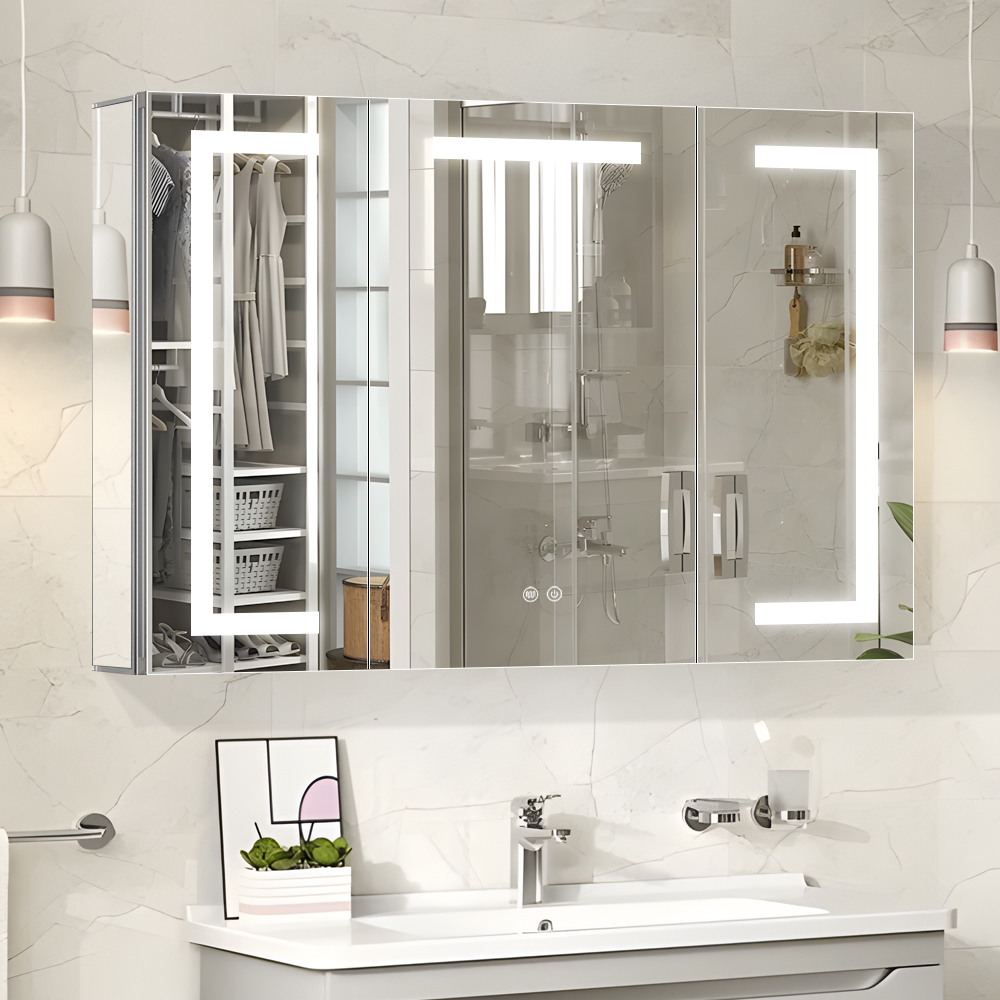
Selecting the right products prevents ninety percent of common bathroom fixture damage. You do not need expensive commercial solvents. Basic household items work perfectly when used correctly.
You should rely on a few safe, effective solutions. Warm water mixed tightly alongside a few drops of mild dish soap provides the best baseline. This mixture remains completely pH-neutral. It cuts through oily cosmetic residue safely. You can also use isopropyl alcohol. Dilute rubbing alcohol evenly using distilled water. This blend offers rapid sanitization. It also guarantees a streak-free mirror finish because it evaporates instantly. If you prefer commercial products, buy dedicated non-ammonia glass cleaners.
Never use ammonia-based glass cleaners. Ammonia acts as a highly corrosive agent against mirror backings. It accelerates desilvering dramatically. Avoid abrasive cleaning powders entirely. Brands like Comet or Barkeepers Friend contain hard micro-particles. These particles quickly scratch the protective anodized layer on the aluminum. Do not use bleach or acidic hard-water removers directly on the metal. Products like CLR will strip the finish and cause permanent pitting.
Throw away rough sponges and paper towels. Paper towels leave lint everywhere and can lightly scratch delicate surfaces. Instead, purchase lint-free microfiber cloths. Keep one cloth strictly for washing. Keep a second cloth entirely dry for buffing. You should also keep a soft-bristle toothbrush nearby. This tool helps detail sliding tracks and tight interior corners.
Category | Approved Items | Prohibited Items |
|---|---|---|
Chemicals | Mild dish soap, Isopropyl alcohol, Non-ammonia sprays | Ammonia sprays, Bleach, Acidic rust removers |
Abrasives | Soft microfiber cloths, Cotton swabs | Scrubbing pads, Steel wool, Scouring powders |
Lubricants | Dry PTFE (Teflon) spray, Silicone spray | Petroleum-based oils, Standard WD-40 |
Following a strict sequence prevents accidental damage. Proper Maintenance Aluminum Mirror Cabinet procedures rely on technique just as much as supplies. Execute these four steps monthly to keep your unit pristine.
Start by emptying the entire unit. Remove all bottles, razors, and cosmetics. Grab a totally dry microfiber cloth. Wipe away loose dust, stray hair, and spilled makeup powder from the interior shelves. Sweep the deep corners carefully. If you skip this dry phase, you will create a stubborn, muddy paste the second you introduce water.
Dampen your first cloth using the mild soap solution. Wring it out tightly until it barely feels wet. Wipe down the aluminum interior panels gently. Clean the glass shelves and the exterior metal casing. Always wipe from top to bottom. This motion pushes loose debris downward effectively.
Spray the non-ammonia cleaner directly onto your cloth. You must never spray liquid directly onto the mirror glass. Direct spraying allows heavy droplets to run down the vertical surface. This liquid inevitably pools at the very bottom edge. It seeps behind the glass and triggers rapid desilvering. Wiping the mirror using an S-pattern prevents streaks and avoids pushing dirt into corners.
Follow up immediately. Grab your second, completely dry microfiber cloth. Buff all previously washed surfaces thoroughly. Standing water causes severe problems over time. Evaporating water leaves behind hard mineral deposits. These spots look terrible and degrade the metal eventually. Make sure you dry the hinges and tracks completely.
The metal box might last decades, but the moving parts will fail first. Hardware components require targeted attention to maintain smooth functionality.
Sagging doors put immense uneven stress on internal hinges. Over time, screws loosen under the constant pulling weight. Inspect your door alignment every few months. Most high-quality units feature 3-way adjustable hinges. You can easily correct sagging issues yourself. Use a simple Philips screwdriver to adjust the mounting plates. Turn the front screw to adjust horizontal gaps. Turn the rear screw to adjust depth. Proper alignment ensures even weight distribution across the entire frame.
Friction destroys metal rapidly. You need to lubricate all moving joints. Apply a dry PTFE spray to the hinges every six to twelve months. Teflon-based sprays provide excellent lasting protection. If your unit features sliding tracks, apply a silicone-based lubricant lightly along the rails.
You must strictly avoid petroleum-based lubricants. Standard WD-40 acts as a solvent, not a true long-term lubricant. It attracts floating bathroom dust immediately. This combination eventually creates a sticky, dark grinding paste. This paste ruins soft-close mechanisms permanently.
Condensation naturally settles on cold steel screws and hinges during a hot shower. Dry all interior hinges immediately if heavy condensation builds up. Wiping them down takes ten seconds. This tiny habit prevents surface rust completely.
You can dramatically reduce your active cleaning time by modifying your bathroom environment. Preventive care stops problems before they require scrubbing.
The most effective maintenance strategy remains purely environmental. Steam acts as the silent enemy of all bathroom furniture. Run your ceiling exhaust fan every time you shower. Leave it running for at least twenty minutes afterward. This simple action pulls damp air outside. It reduces ambient condensation drastically. Keeping the bathroom door slightly open also helps circulate fresh air.
Cosmetics often leak. Shaving creams rust at the bottom. Skincare serums frequently contain strong acids like Vitamin C or glycolic acid. If these spill onto raw metal, they etch the finish quickly. Line the bottom interior shelf using a non-slip silicone mat. A custom-cut mat protects the aluminum floor from highly acidic spills. It also stops harsh mouthwash from staining the metal.
Hard water stains will occasionally appear on the exterior aluminum frame despite your best efforts. These white chalky rings look stubborn. You can remove them safely. Mix a heavily diluted solution containing fifty percent white vinegar and fifty percent pure water. Apply this gentle acid strictly to a cloth. Wipe the stain lightly until it dissolves. You must immediately neutralize the area using plain water. Dry the spot completely right after rinsing. You must never let vinegar sit idle on the metal.
Preventive Maintenance Schedule Chart | ||
Frequency | Required Action | Expected Benefit |
|---|---|---|
Daily | Run exhaust fan for 20 minutes post-shower. | Prevents condensation buildup on steel hardware. |
Weekly | Light dry dusting of top surfaces. | Stops dust from entering sliding tracks. |
Monthly | Full interior wipedown and glass buffing. | Removes cosmetic spills and prevents hard water scaling. |
Bi-Annually | Lubricate hinges and check door alignment. | Ensures soft-close mechanisms remain smooth and stress-free. |
The overall maintenance of these bathroom fixtures requires minimal physical effort. Success depends entirely on your strict adherence to safe chemicals and proper moisture control. Throw away your ammonia-based glass sprays today. Switch exclusively to microfiber cloths and pH-neutral soaps. Adopt the habit of running your exhaust fan longer to protect the internal hardware from invisible moisture damage.
Sometimes older units suffer from years of chemical abuse. If your current setup shows extensive mirror desilvering, severe frame pitting, or heavily rusted hinges, it might sit beyond simple repair. Investing in a high-quality, commercial-grade replacement makes practical sense. Modern designs feature sealed mirror edges and premium stainless hardware. These upgraded materials will significantly lower your future maintenance overhead.
A: Aluminum does not rust naturally like iron. It can oxidize and form a dull white chalky coating if exposed to harsh chemicals. However, the steel hinges or mounting screws inside the cabinet can rust if left wet. Always keep internal hardware completely dry.
A: Use a heavily diluted vinegar solution applied via a soft cloth. Wipe the stain carefully to dissolve the minerals. Rinse the area immediately using clean water. Never use abrasive scrubbing pads on the metal. Dry the frame thoroughly right after rinsing.
A: This process is called desilvering. Moisture or ammonia-based cleaners seep behind the unprotected glass edges over time. These harsh liquids destroy the reflective silver backing. Always spray cleaner onto your cloth directly, never onto the glass surface itself.
A: Perform a light wipe-down of the mirror weekly. Do a thorough interior clean monthly using mild soap. You should also lubricate the hinge hardware every six months. Regular dusting prevents debris buildup inside the moving joints and sliding tracks.


